
Scaling Roche NAVIFY® Tumor Board:
Bringing Radiology Imaging to Oncology Workflows
Expanding an MVP into a radiology-ready solution through research-driven design
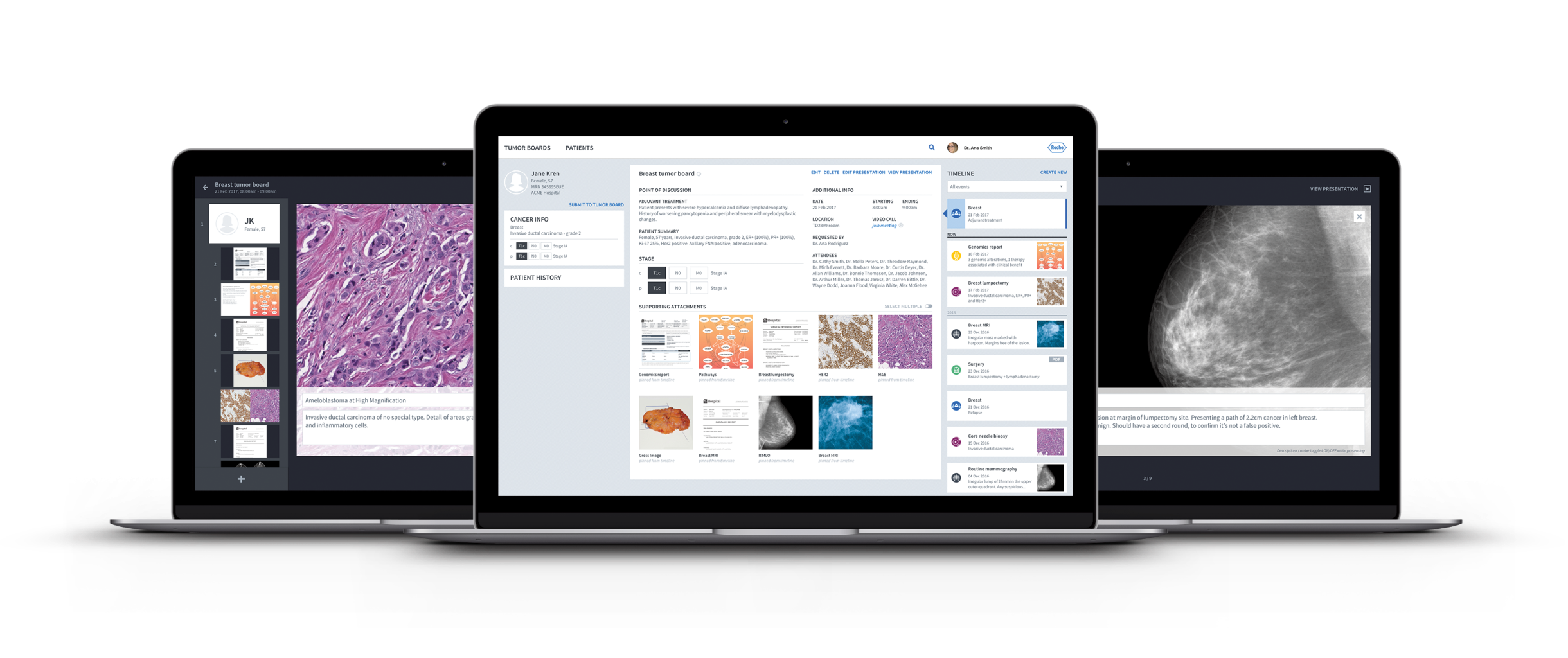
TL;DR
Led the 1→100 expansion of NAVIFY Tumor Board by integrating DICOM and PACS imaging into a regulated oncology workflow under strict UI and partnership constraints. Defined the radiology interaction model, aligned five scrum teams across Roche and GE Healthcare, and delivered a joint release within three quarters. The integration enabled multi-specialty scaling and converted enterprise evaluations into subscriptions.
Context: Scaling Beyond MVP
NAVIFY Tumor Board launched as a breast cancer-focused MVP relying primarily on static images and structured data. However, most oncology specialties depend heavily on radiology imaging. In tumor board meetings, up to 90% of discussion time centers around reviewing scans.
Without native DICOM support, the platform could not scale meaningfully across cancer types.
The challenge was not simply adding image support. It was integrating radiology into a regulated clinical workflow, within an existing UI framework, and in coordination with GE Healthcare’s mandated DICOM viewer.
My Role
NAVIFY Tumor Board launched as a breast cancer-focused MVP relying primarily on static images and structured data. However, most oncology specialties depend heavily on radiology imaging. In tumor board meetings, up to 90% of discussion time centers around reviewing scans. Without native DICOM support, the platform could not scale meaningfully across cancer types.
The challenge was not simply adding image support. It was integrating radiology into a regulated clinical workflow, within an existing UI framework, and in coordination with GE Healthcare’s mandated DICOM viewer.
Constraint Landscape
This initiative operated under significant structural constraints. We were required to preserve the existing NAVIFY UI and workflow patterns, even as we introduced radiology capabilities that fundamentally changed how tumor boards functioned. The integration also mandated the use of GE Healthcare’s DICOM viewer, limiting flexibility in interaction design. At the outset, there were no detailed product requirements, and implementation feasibility varied widely across hospital PACS systems. The challenge was to introduce clinically critical imaging functionality without destabilizing the existing platform or overcommitting engineering resources across two organizations.
The Process
-
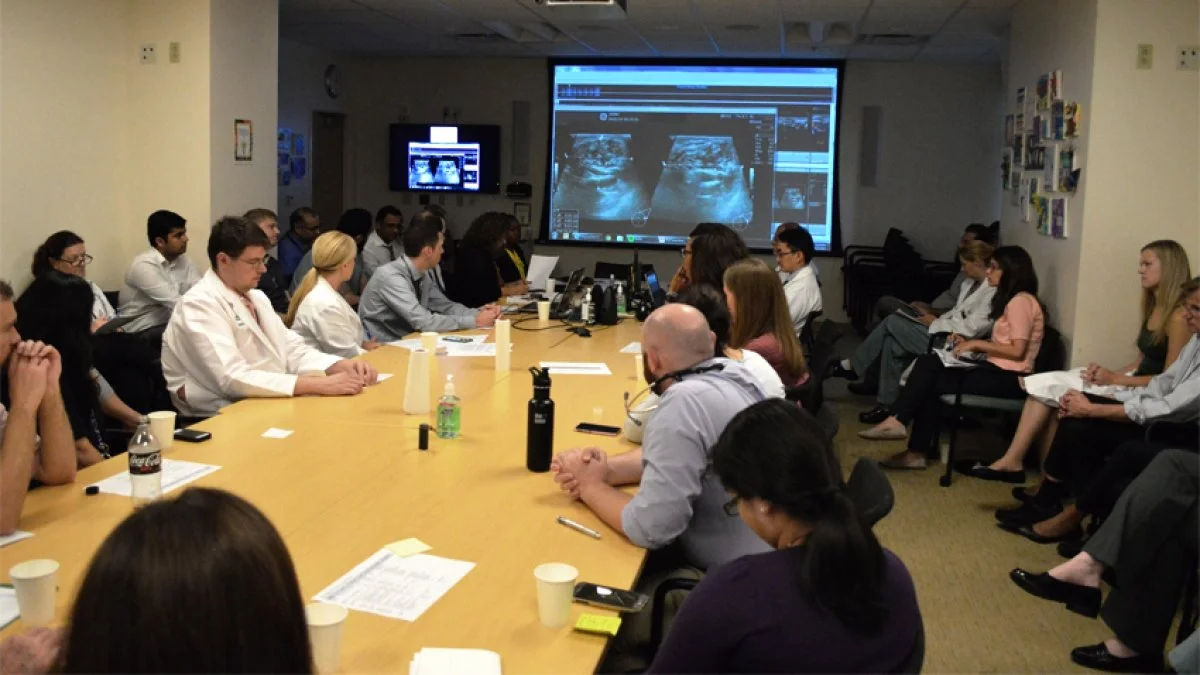
Field Observations
-
Working Sessions
-
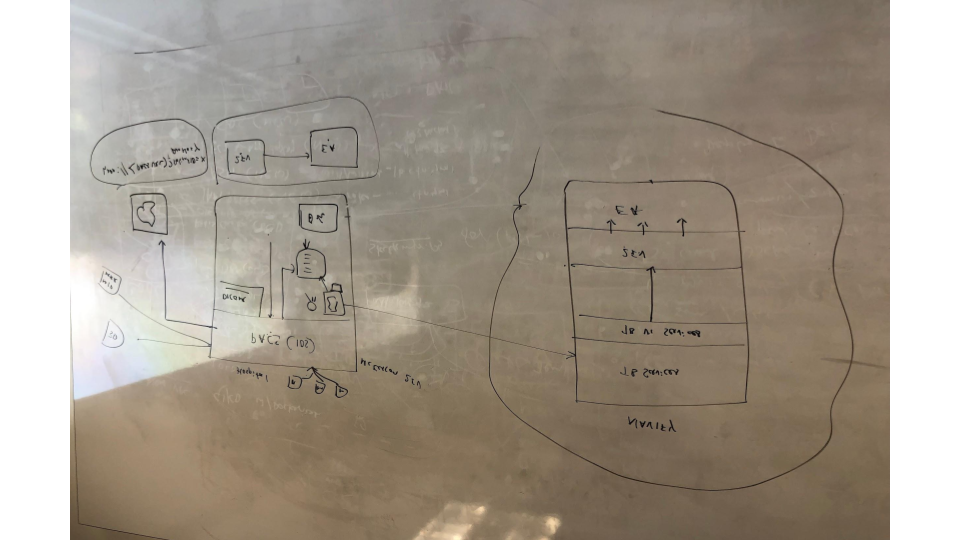
Brainstorming with Engineering
-
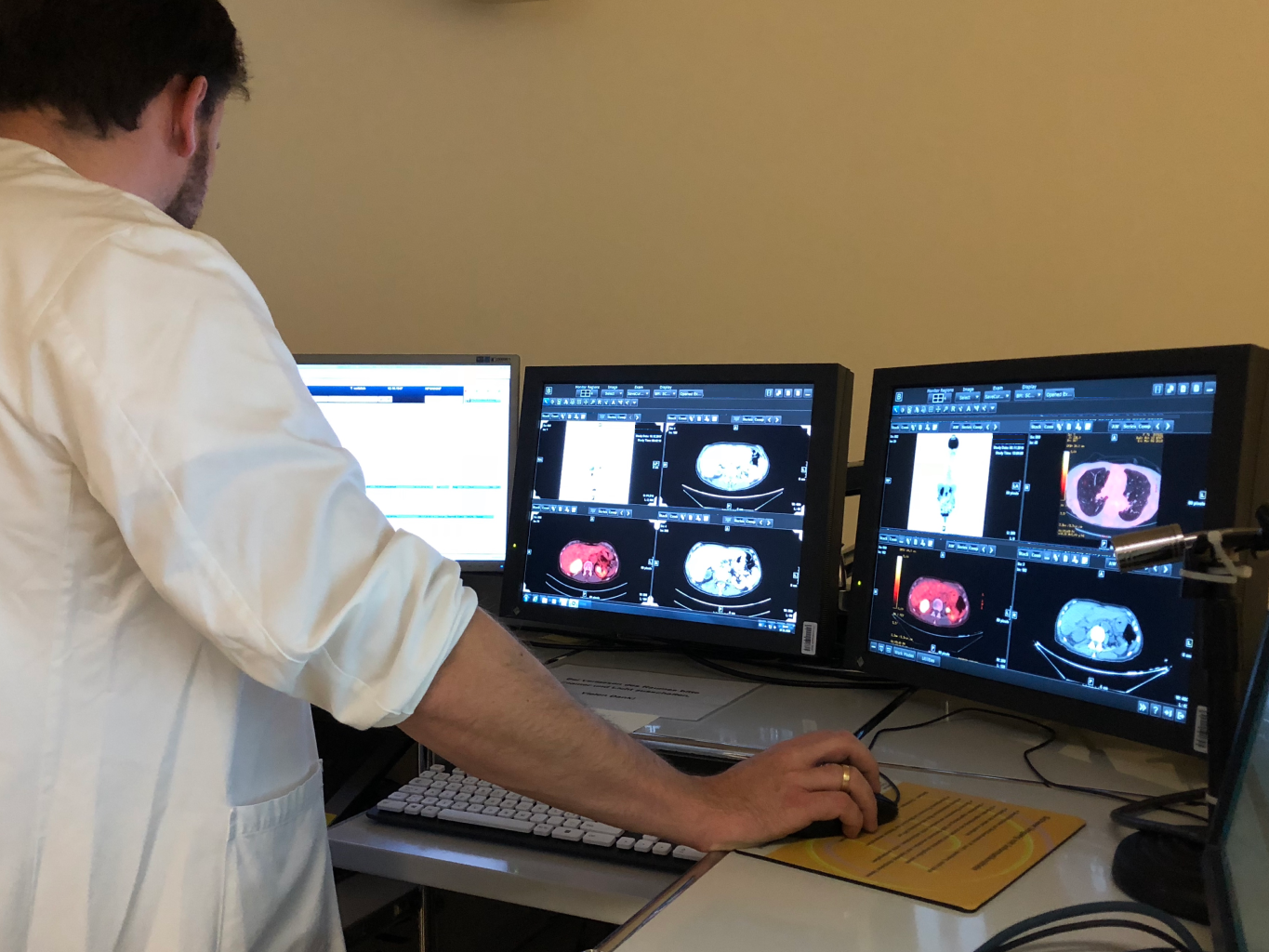
Ethnographic Research
-
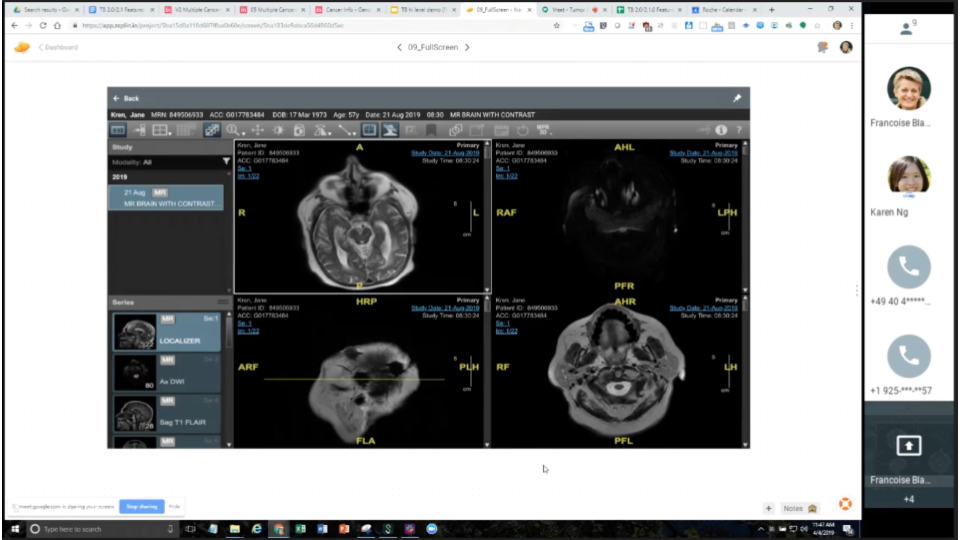
Usability Testing
Architectural Decisions
-
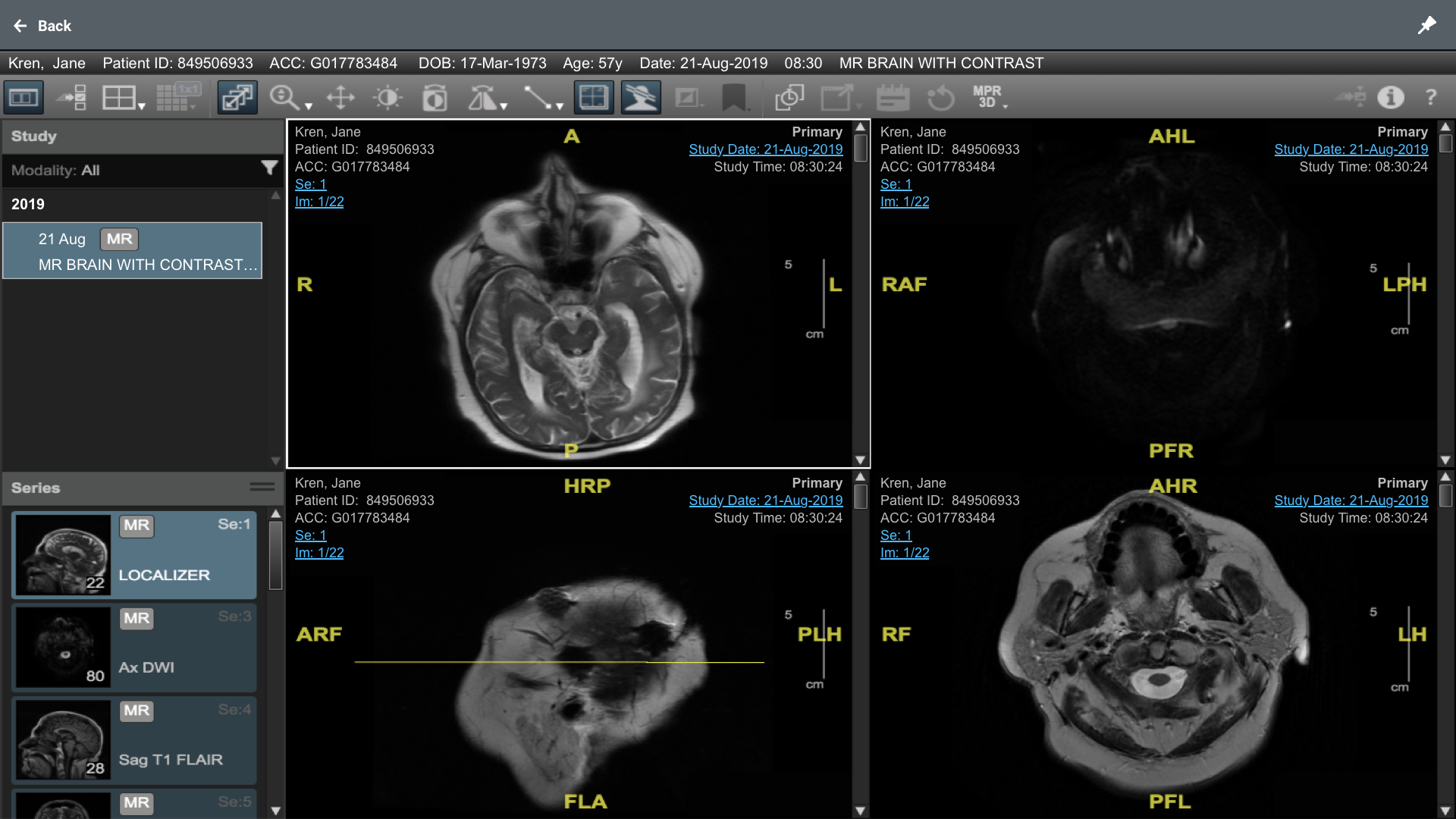
Fullscreen Viewer over Embedded Integration
Initial exploration focused on embedding the DICOM viewer within the existing UI framework. Through research and technical workshops, it became clear that radiologists preferred a fullscreen imaging environment, and that embedding would introduce performance and integration risks.
We shifted to a fullscreen model that preserved diagnostic clarity while maintaining workflow continuity within NAVIFY. This decision prioritized clinical usability and technical stability over visual consistency.
-
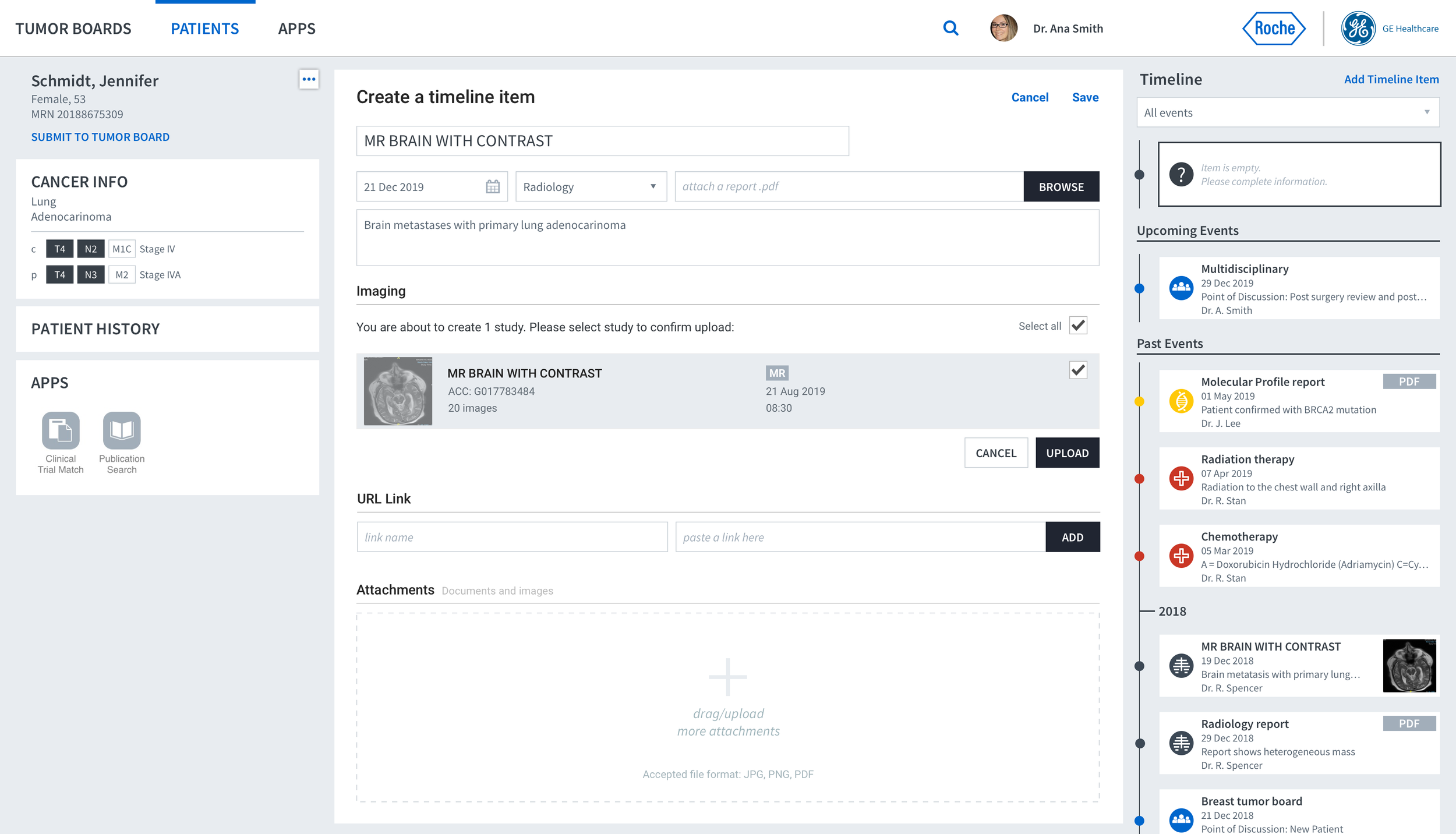
Manual Upload over PACS Search
An early proposal introduced direct PACS search within the platform. However, engineering analysis revealed high implementation cost and variability across hospital systems.
Instead, we prioritized manual DICOM upload for the initial release. This approach ensured predictable behavior across institutions and reduced integration risk while still enabling radiology support. The decision reflected deliberate scoping: ship a stable foundation before expanding automation.
-

Adaptive Capability Late in Cycle
Usability testing revealed resistance to aspects of the GE viewer workflow. Rather than delaying launch, we introduced an additional capability that provided flexibility without requiring structural UI changes weeks before release. This preserved timeline commitments while addressing clinical concerns.
The Solution
Radiology-Ready Tumor Board Workflow
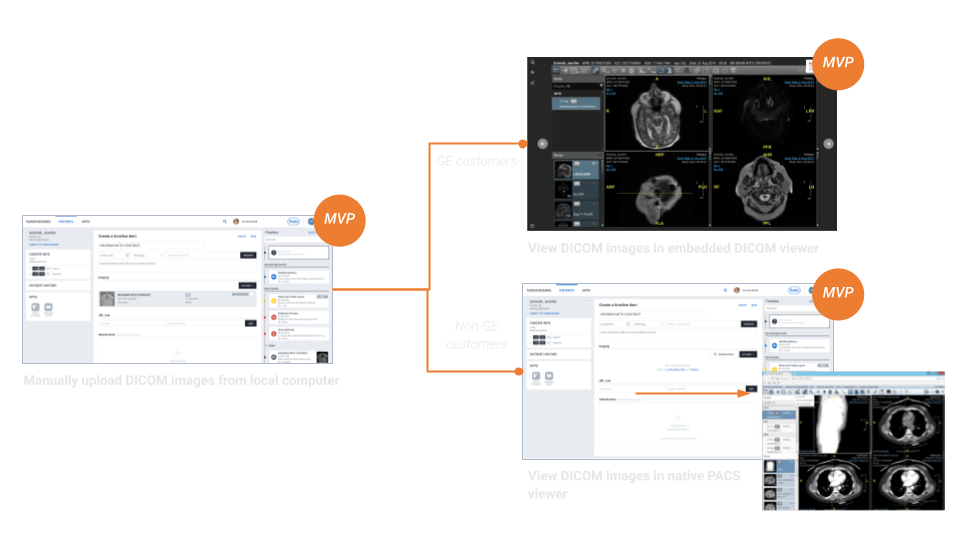
DICOM imaging was integrated directly into NAVIFY Tumor Board while preserving existing workflow structures and satisfying GE’s viewer requirement.
Radiology cases could now be added as structured timeline events, with DICOM files uploaded and accessed within a fullscreen diagnostic environment. The workflow allowed clinicians to transition seamlessly between case review, imaging analysis, and discussion without leaving the platform.
For GE customers, imaging was displayed through the embedded GE DICOM viewer. For non-GE customers, a controlled upload pathway ensured consistent functionality across institutions with varying PACS configurations.
Rather than deeply coupling the viewer into the UI framework, we treated imaging as a contextual mode within the tumor board workflow. This preserved diagnostic fidelity while maintaining system stability. The result was a radiology-capable tumor board experience that extended the MVP without destabilizing the core platform.
Organizational Impact
This initiative required coordinated execution across Roche and GE Healthcare, five scrum teams, and multiple leadership stakeholders. By aligning research insights, architectural tradeoffs, and phased delivery strategy, we secured approval for a joint release within three quarters. The project expanded NAVIFY’s scope from a breast cancer MVP into a multi-specialty oncology platform, positioning it for broader enterprise adoption.
Business Outcome
Radiology support became one of the most highly requested capabilities and a critical enabler for scaling beyond the original MVP. The release converted multiple customer evaluations into paid subscriptions within two quarters of launch and strengthened Roche’s partnership with GE Healthcare through a successful joint launch. More importantly, it established NAVIFY Tumor Board as a clinically credible platform capable of supporting imaging-driven oncology workflows.